General Liability Insurance for solar contractors
Third-party bodily injury, property damage, and completed-operations liability for solar contractors — including roof penetration damage, post-installation leaks, electrical incidents, and the specific endorsements commercial project owners require.
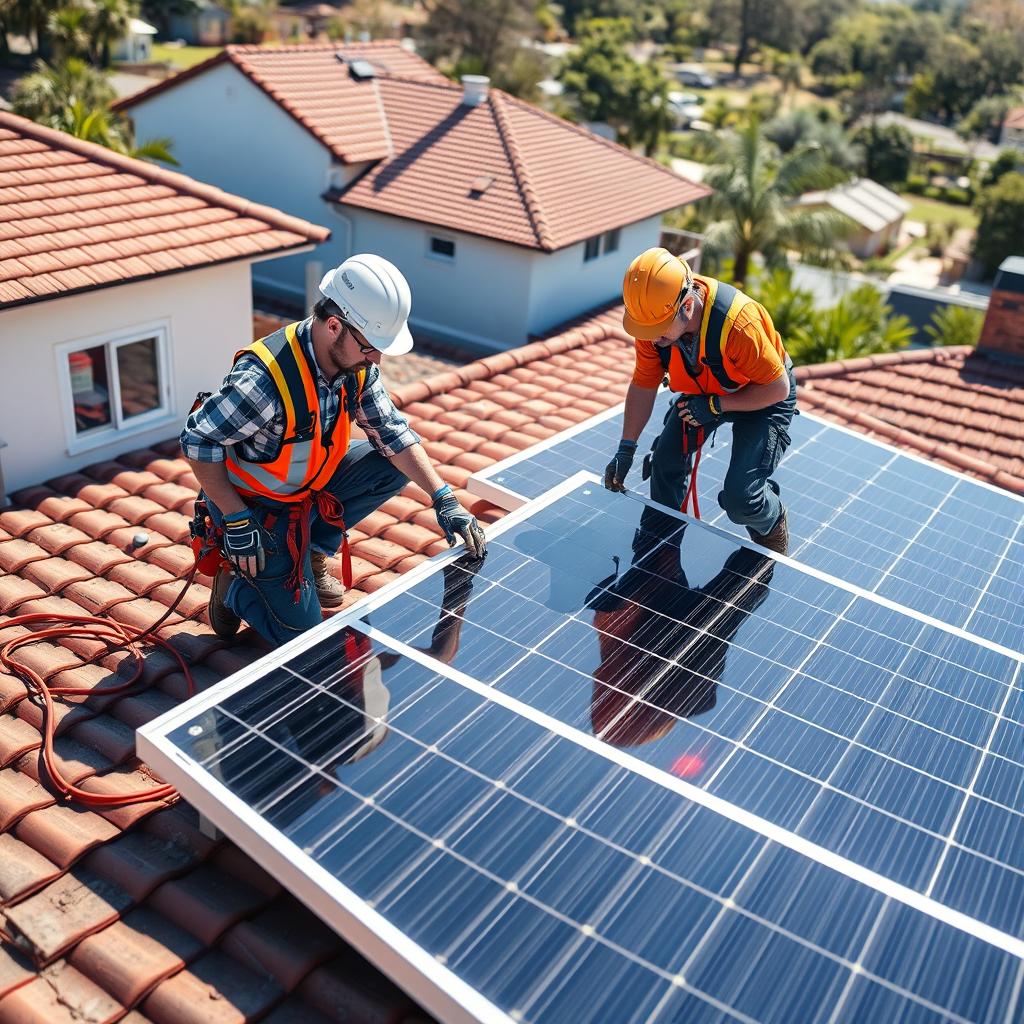
What it covers
- Third-party bodily injury at residential and commercial installation sites
- Property damage including roof membrane damage from penetrations and flashings
- Completed-operations coverage for post-installation claims
- Additional insured endorsements for homeowners, HOAs, and commercial clients
- Waiver of subrogation for utility interconnection agreements
- Products liability for solar components incorporated into installations
Who it's for
- Residential solar installation contractors with rooftop crew exposure
- Commercial flat-roof and carport canopy solar contractors
- Ground-mount solar contractors on residential and commercial properties
- Any solar contractor required to provide GL certificates to project owners or utilities
Why CCA
- GL written for rooftop solar exposure — not a generic contractor form
- Completed-operations structure for the long tail of solar post-installation claims
- Commercial project certificate requirements met, including required endorsements
Common questions about general liability insurance
Standard GL may have 'your work' exclusions that limit coverage for damage to the specific property your crew was working on — including roof membranes damaged by improper penetrations or flashings. Solar contractor GL addresses this by including rooftop operations as a covered exposure rather than excluding completed-work damage.
Yes — with completed-operations coverage. If a roof leaks after your installation and the leak is traced to your penetrations or flashing work, the completed-operations portion of your GL covers the claim. Without adequate completed-operations coverage, a claim that surfaces 6 months after installation may not be covered.
Many homeowners and commercial clients require additional insured endorsements on your GL certificate before allowing installation to begin. Some utilities require it as a condition of interconnection approval. We add these as required and produce certificates quickly.
Yes. Third-party bodily injury — including injuries to homeowners, property owners, and others at your installation sites — is covered under GL. This is the core coverage GL provides.
GL covers third-party bodily injury and property damage. The installation floater covers theft and damage to your own solar equipment and materials. Together they provide complete coverage — GL for your liability exposure, floater for your equipment.
Cost depends on installation type, crew size, payroll, states, equipment values, and loss history. We quote your actual operation in about 15 minutes — never a generic estimate.
Yes. Contractors Choice Agency is licensed in all 50 states and writes solar contractor programs for firms whether your crews work in California, Texas, Florida, or anywhere in the country.
Typically 15 minutes on a call. Larger commercial programs may take a day or two to place with the right specialty solar markets, but we move fast and set expectations up front.
Often yes. Prior roof damage, theft, or workers' comp claims don't automatically disqualify you. We have markets for solar contractors with challenging history — bring us your situation.
Usually yes. Coordinated programs close gaps between GL, workers' comp, floater, and auto — and are typically cheaper and cleaner than separate policies from separate carriers.
A.M. Best ratings reflect a carrier's financial strength. We place coverage with A-rated carriers so the coverage is there when a roof damage claim, a theft, or a production shortfall E&O claim hits.
Yes. We work with solar specialty markets for all installation types — residential rooftop, commercial flat-roof, carport canopy, ground-mount, and utility-scale solar.
Rooftop solar installation has specific workers' comp class codes that reflect the fall hazard profile of working at height. Generic contractor codes may not capture the solar installation exposure correctly — we classify your crews based on actual job functions.
Installation types, states where you install, crew size and payroll, panel and equipment values, revenue breakdown, current coverage, and 5 years of loss history. More detail means a more accurate quote.
Yes. The installation floater covers panels, inverters, and equipment against theft, vandalism, and accidental damage on job sites, in transit, and in storage — all risks that standard GL and commercial auto don't cover.
With appropriate endorsements, yes. Battery storage creates additional fire and electrical hazards that require coverage beyond standard solar GL. We confirm your program addresses battery storage exposure if your crews install BESS systems.
Solar E&O covers claims arising from design errors, production shortfall disputes, grid-tie specification mistakes, and other professional failures. When a client claims the system underperforms due to your professional error, E&O covers defense and settlement.
Yes. We structure programs so your GL, workers' comp, floater, and auto coordinate across state lines without gaps — including solar crews that travel between states for commercial projects.
Often yes — commercial solar project owners and utilities increasingly require performance and payment bonds on solar EPC and installation contracts. We issue performance bonds for solar contractors through admitted and specialty surety markets.
Pair it with related coverage
Ready to protect your solar contracting firm?
Get a 15-minute quote from specialists who understand solar contractor coverage — rooftop GL, installation floater, workers' comp, E&O, and umbrella.