Solar Installation Floater for solar contractors
Covers solar panels, inverters, racking, and installation equipment against theft, vandalism, breakage, and accidental damage while in transit, in storage, and during installation — from the moment you take possession until the system is energized.
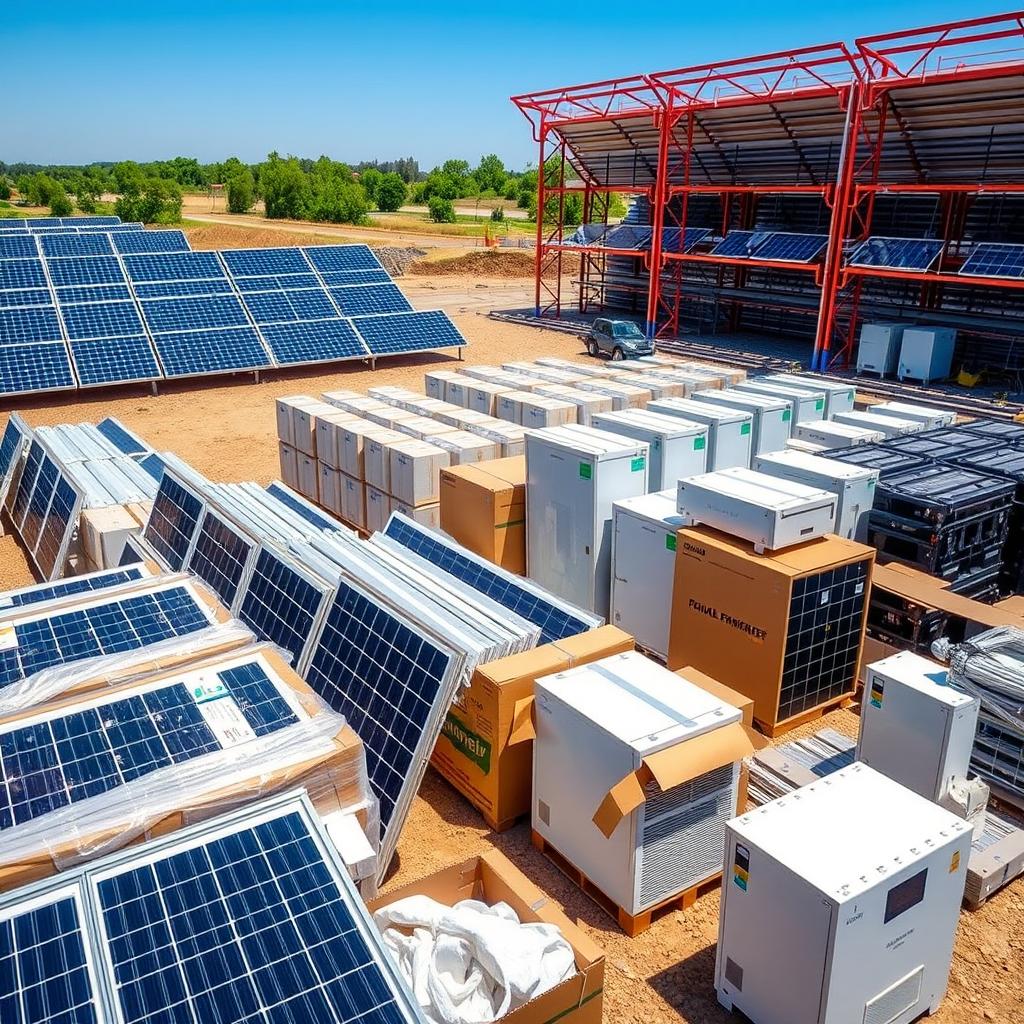
What it covers
- Solar panel theft from job sites, vehicles, and storage facilities
- Inverter and power electronics damage during transit and installation
- Racking system damage from wind, handling, or vandalism before energization
- Breakage of panels during installation from drops or impact
- Battery storage module theft and damage during installation
- Equipment in transit between job sites and in overnight storage
Who it's for
- Solar installation firms carrying high-value panels and equipment to job sites
- Contractors with equipment stored overnight at multi-day installation sites
- Commercial solar contractors with large quantities of panels across multiple active projects
- Any solar contractor whose equipment represents significant replacement cost exposure
Why CCA
- Installation floater structured for how solar contractors actually work — rolling coverage across all active projects
- Transit coverage confirmed so panels are protected from warehouse to energization
- Coordinated with GL so there are no gaps between your liability and equipment exposures
Common questions about solar installation floater
GL covers third-party bodily injury and property damage — your liability to others. The installation floater covers your own solar equipment and materials against theft, damage, and breakage. Neither covers the other's exposure — both are needed for a complete solar contractor program.
Yes. The installation floater covers your equipment in transit — from the warehouse or distributor to the job site, and between active job sites. Panel theft from trucks and transit damage are common losses for solar contractors; transit coverage is a core part of the floater.
Yes. The floater typically covers panels and equipment from the time you take possession through energization and final sign-off. Once the system is energized and accepted by the customer, the homeowner's property policy (or commercial property policy) typically picks up coverage.
Replacement cost — what it would cost to replace panels and equipment at current market prices — is the recommended valuation approach. Panel prices have changed significantly over time; actual cash value (depreciated value) may leave you significantly underinsured after a theft. We recommend replacement cost valuation for installation floaters.
Yes — with appropriate endorsements. Battery storage systems are increasingly part of solar installations and can be scheduled on the floater for theft and damage coverage during installation. Battery fire and thermal runaway risks may require specific underwriting attention.
Cost depends on installation type, crew size, payroll, states, equipment values, and loss history. We quote your actual operation in about 15 minutes — never a generic estimate.
Yes. Contractors Choice Agency is licensed in all 50 states and writes solar contractor programs for firms whether your crews work in California, Texas, Florida, or anywhere in the country.
Typically 15 minutes on a call. Larger commercial programs may take a day or two to place with the right specialty solar markets, but we move fast and set expectations up front.
Often yes. Prior roof damage, theft, or workers' comp claims don't automatically disqualify you. We have markets for solar contractors with challenging history — bring us your situation.
Usually yes. Coordinated programs close gaps between GL, workers' comp, floater, and auto — and are typically cheaper and cleaner than separate policies from separate carriers.
A.M. Best ratings reflect a carrier's financial strength. We place coverage with A-rated carriers so the coverage is there when a roof damage claim, a theft, or a production shortfall E&O claim hits.
Yes. We work with solar specialty markets for all installation types — residential rooftop, commercial flat-roof, carport canopy, ground-mount, and utility-scale solar.
Rooftop solar installation has specific workers' comp class codes that reflect the fall hazard profile of working at height. Generic contractor codes may not capture the solar installation exposure correctly — we classify your crews based on actual job functions.
Installation types, states where you install, crew size and payroll, panel and equipment values, revenue breakdown, current coverage, and 5 years of loss history. More detail means a more accurate quote.
Yes. The installation floater covers panels, inverters, and equipment against theft, vandalism, and accidental damage on job sites, in transit, and in storage — all risks that standard GL and commercial auto don't cover.
With appropriate endorsements, yes. Battery storage creates additional fire and electrical hazards that require coverage beyond standard solar GL. We confirm your program addresses battery storage exposure if your crews install BESS systems.
Solar E&O covers claims arising from design errors, production shortfall disputes, grid-tie specification mistakes, and other professional failures. When a client claims the system underperforms due to your professional error, E&O covers defense and settlement.
Yes. We structure programs so your GL, workers' comp, floater, and auto coordinate across state lines without gaps — including solar crews that travel between states for commercial projects.
Often yes — commercial solar project owners and utilities increasingly require performance and payment bonds on solar EPC and installation contracts. We issue performance bonds for solar contractors through admitted and specialty surety markets.
Pair it with related coverage
Ready to protect your solar contracting firm?
Get a 15-minute quote from specialists who understand solar contractor coverage — rooftop GL, installation floater, workers' comp, E&O, and umbrella.