Solar Installation Floater: The Coverage Every Solar Contractor Needs but Few Have
By Josh Cotner
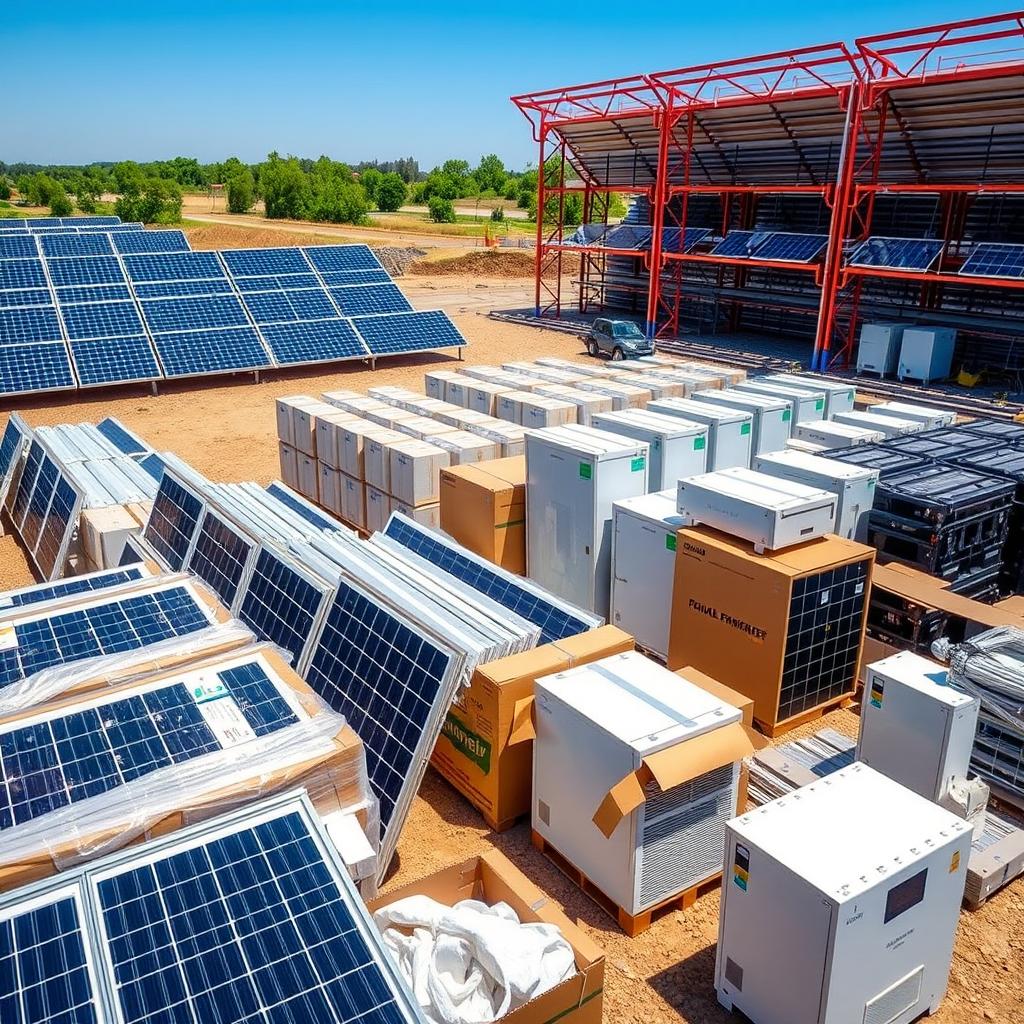
Ask most solar installation contractors whether they have coverage for solar panels stolen from a job site — and many will say yes, assuming their GL or commercial auto covers it.
Neither does.
General liability covers third-party bodily injury and property damage — your liability to others. Commercial auto covers the vehicle and liability for accidents. Neither covers your own equipment and materials against theft, damage, or breakage.
The policy that covers solar equipment during installation is the solar installation floater — also called an inland marine policy or contractors all-risk coverage. Here's what it covers, why it matters, and how solar contractors structure it.
What the Installation Floater Covers
The installation floater covers your solar materials and equipment from the moment you take possession until the system is energized and accepted by the customer. Coverage typically includes:
Solar panels — Against theft, vandalism, and accidental breakage during transit, storage, and installation. Panels are high-value and routinely targeted by thieves, particularly at multi-day residential and commercial projects.
Inverters and power electronics — String inverters, microinverters, and power optimizers are expensive components that can be damaged in handling or stolen from staging areas.
Racking and mounting hardware — Racking systems damaged by wind, improper handling, or vandalism before the system is secured can create significant replacement costs.
Battery storage modules — For contractors installing battery storage alongside solar, the floater can cover BESS modules during installation.
Transit and storage — Most installation floaters cover your equipment in transit between locations, in warehouses or storage facilities, and staged on job sites — not just during the installation itself.
What the Floater Does NOT Cover
The installation floater covers your own materials and equipment — it's not liability coverage. It doesn't replace:
- GL coverage for bodily injury or property damage to others
- Commercial auto for the vehicle involved in transit
- Workers' comp for your employees
- Post-energization coverage — once the system is operational and the customer accepts it, the floater's coverage ends; the homeowner's or commercial property policy picks up
How Solar Equipment Valuation Works
For the floater to pay adequately when a loss occurs, your equipment must be valued correctly. Two options:
Replacement cost — The cost to replace the stolen or damaged equipment at current market prices. For solar panels, where prices have changed significantly over the past decade, replacement cost ensures you receive enough to actually replace what was lost.
Actual cash value — The depreciated value of the equipment. For solar contractors with installations underway, ACV can leave you significantly short of what you need to complete the project.
We recommend replacement cost valuation for solar installation floaters. The premium difference is modest compared to the risk of an ACV payout on a large panel theft.
Panel Theft — A Genuine and Growing Problem
Solar panels represent significant value per unit, are reasonably easy to transport, and have a secondary market. Theft from job sites — particularly multi-day residential projects and commercial installations where staging is spread across a large area — is a genuine and growing problem.
Standard practice like locking equipment in trailers or staging in less visible areas helps but doesn't eliminate the risk. The installation floater is the backstop when preventive measures fail.
How the Floater Works With Commercial Auto
A common question: if panels are stolen out of my truck, is that a commercial auto claim or a floater claim?
Commercial auto covers the vehicle and third-party liability from accidents. It doesn't cover cargo being transported. The installation floater covers your equipment in transit — including panels in a truck or van. When panels are stolen from your vehicle, it's a floater claim, not an auto claim.
We coordinate both policies in a complete solar contractor program so there's no ambiguity about which policy covers which exposure.
Getting the Right Floater for Your Scale
Residential solar contractors with modest equipment quantities need a different floater than commercial solar contractors with large quantities of panels across multiple simultaneous projects. The floater can be structured as:
Scheduled coverage — Specific equipment scheduled by item and value. Best for contractors with a defined equipment list.
Blanket coverage — Coverage up to a maximum value per location or in transit. Best for contractors with many active projects and equipment in multiple locations simultaneously.
At Contractors Choice Agency, we size the floater to your actual equipment exposure — residential volume, commercial simultaneous-project scale, or utility-scale quantities. Call 844-967-5247 or get a quote in 15 minutes.
Need this coverage for your solar contracting firm?
Get a real quote in about 15 minutes — we shop A-rated specialty solar contractor markets.